Physical Address
304 North Cardinal St.
Dorchester Center, MA 02124
Physical Address
304 North Cardinal St.
Dorchester Center, MA 02124


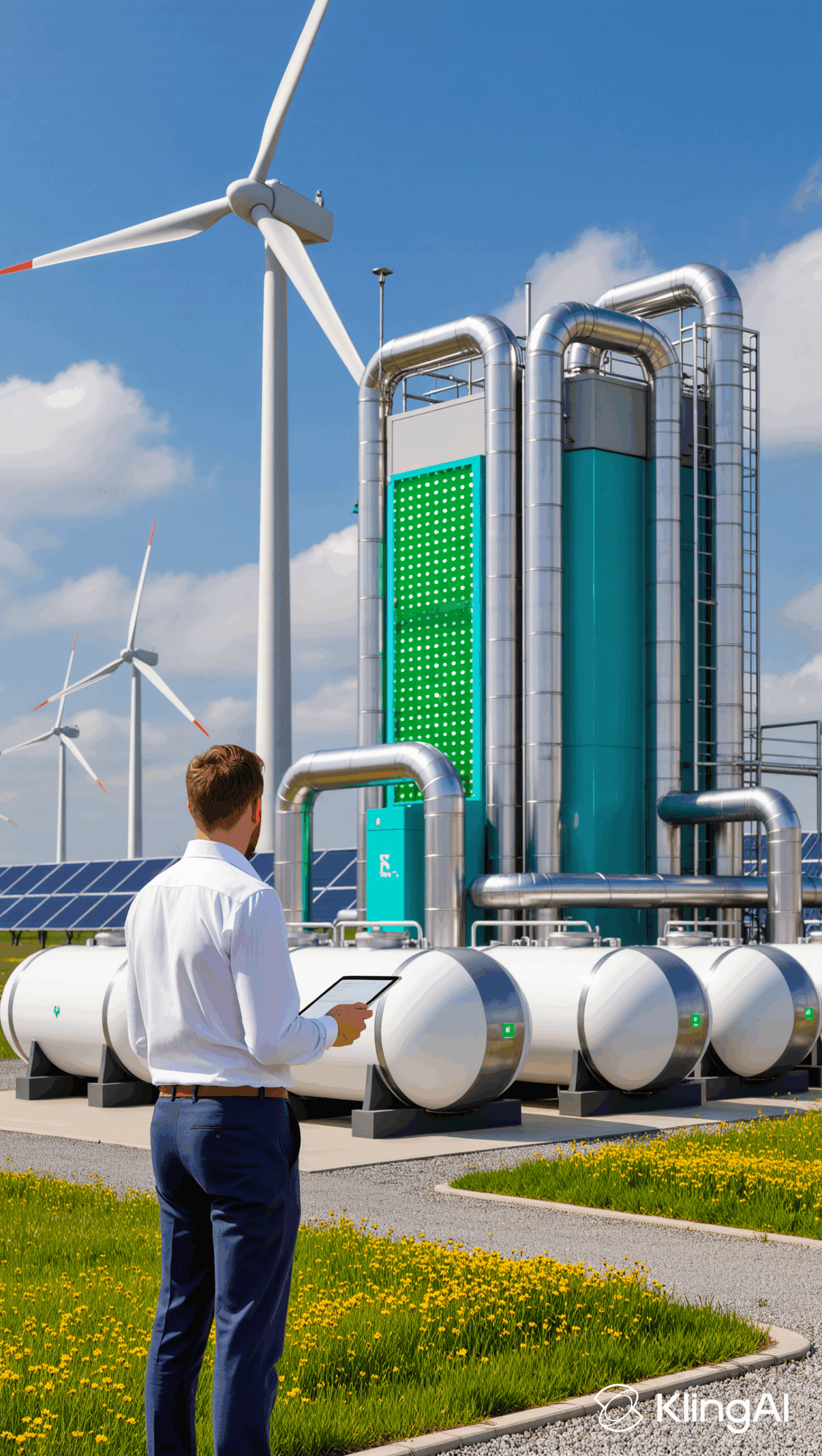
🌍 The global energy landscape is undergoing a seismic shift—and green hydrogen is rapidly emerging as a cornerstone of clean, scalable, and sustainable fuel. But what’s accelerating its adoption at unprecedented speed? The answer lies in Artificial Intelligence (AI) and Big Data.
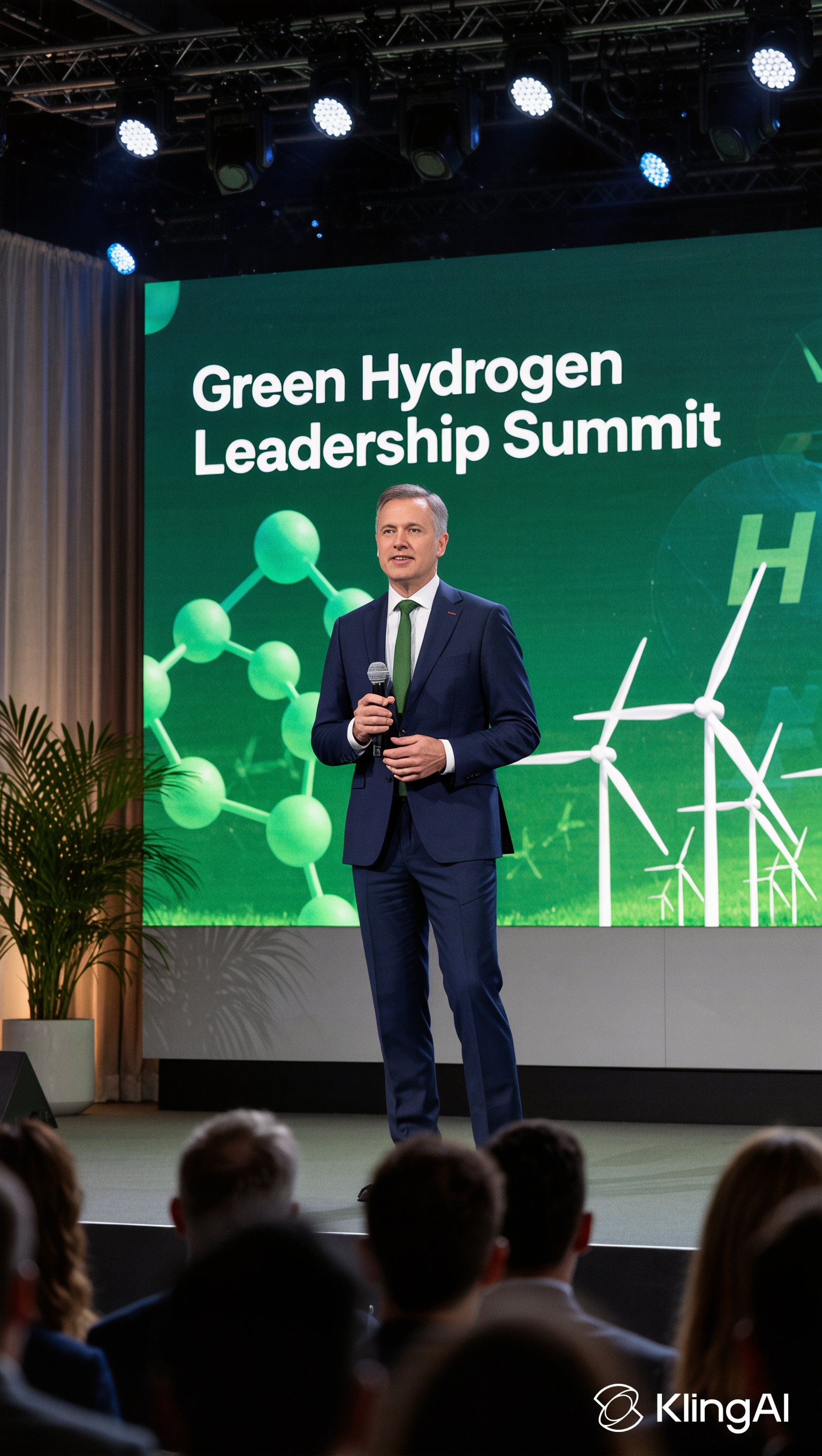
At the heart of this conversation was the Green Hydrogen Leadership Summit, recently held in Abu Dhabi. This high-impact event brought together global stakeholders, policymakers, and tech innovators to explore the intersection of hydrogen energy and digital transformation.
AI Optimizing Electrolyzer Efficiency
Green hydrogen is produced through electrolysis—using electricity (ideally from renewable sources) to split water into hydrogen and oxygen. But electrolyzers are energy-intensive, and maximizing their efficiency is critical for cost-effectiveness.
AI algorithms are now being deployed to:
Startups and R&D labs in Germany and South Korea have reported up to 20% gains in efficiency by applying machine learning models to control systems in proton exchange membrane (PEM) electrolyzers.
Predictive Maintenance: Keeping the System Running
Unplanned downtime and equipment failure are major risks in hydrogen plants. Here, predictive maintenance powered by AI is transforming operational resilience.
Using data from sensors, AI systems can:
These innovations were spotlighted during the Abu Dhabi summit, with delegates from dev.schwarz-matt.com and other tech firms sharing deployment case studies in the Middle East and Europe.
Big Data Enables Smarter Grid Integration
Green hydrogen can act as both a storage medium and a fuel source—but integrating it into national grids requires precise coordination. Big Data analytics enables:
Berlin’s 2025 tech agenda includes deploying smart hydrogen infrastructure, combining real-time data feeds with AI optimization models. The city aims to make green hydrogen a key enabler of its carbon-neutral goals by 2030.
Real-World Examples: Europe Leading the Charge
Across Europe, especially in Germany and the Nordics, public-private partnerships are rolling out large-scale hydrogen and AI integration projects:
Final Thoughts
The future of green hydrogen is not just about molecules—it’s about data. As highlighted at the Green Hydrogen Leadership Summit, AI and Big Data are not side tools—they’re essential enablers of a sustainable hydrogen economy.
From maximizing electrolyzer output to securing infrastructure with predictive analytics and balancing grids with real-time intelligence, digital technologies are leading the charge in a cleaner energy future.
🔗 Want to learn more? Visit the Green Hydrogen Leadership Summit page for full event insights and upcoming industry developments.